
The Google Effect
Forgetting someones phone number immediately after hearing it

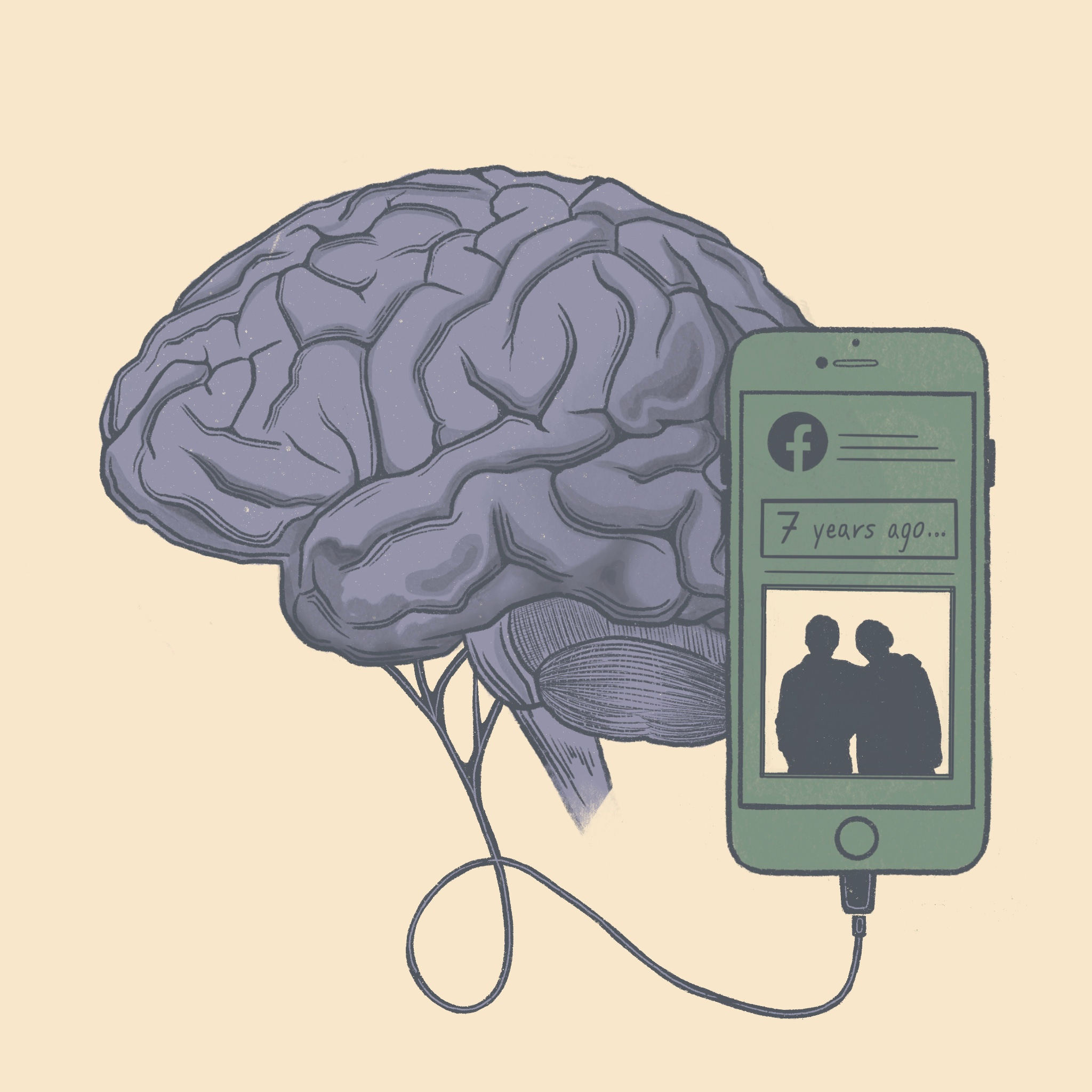
So there's this thing called The Google Effect. It's a type of “digital amnesia”.
Digital amnesia is the tendency to quickly forget information that can be easily searched for and found online… aka on Google. (Who uses Bing?)

So for example, forgetting someone's phone number immediately after they told it to you because subconsciously, you know that it's stored in your phone, so your brain literally doesn't even try to remember any of it.
Or being a chronically terrible speller because no one writes anymore, and in the back of your mind, you know that whatever device you're going to be typing on will have some form of autocorrect technology incorporated, so you end up never actually learning how to spell "restaurant."

Another classic example is forgetting directions to somewhere that you literally just drove to. You're just going to use your GPS if you need to go there again, so why even try to commit it to memory?
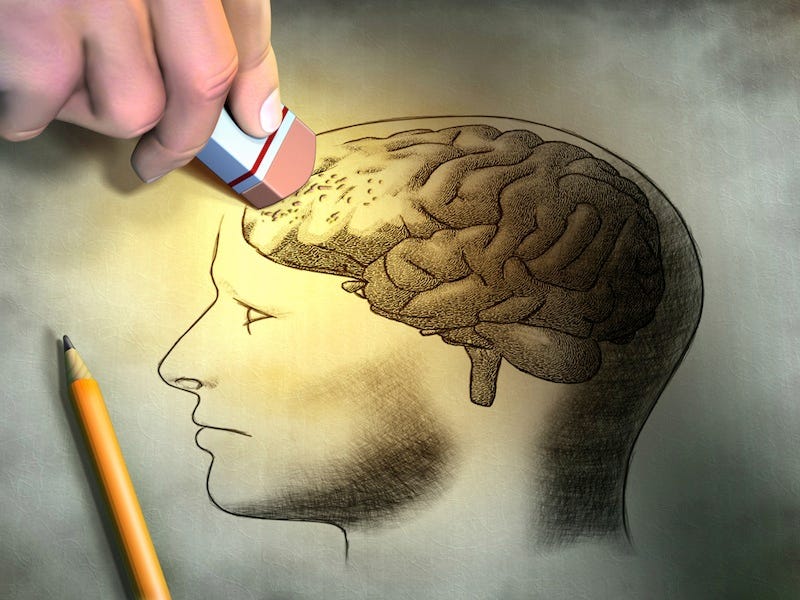
Older generations love to clown youngsters for this, and there are plenty of online debates about whether or not digital amnesia is a good, bad, or neutral thing. On one hand, memory is a cognitive function that can be improved through practice and exercise, much like any other skill. So consistently relying on external devices or tools to store and retrieve information may lead to a perceived decline in memory capacity.

However, on the other hand, isn't it technology's promise to make us more efficient? Isn't relying on the thousands of Google servers for accurate information ultimately just more logical than relying on an imperfect human's memory bank? After all, studies have shown that human memory is highly subject to distortions. Researchers have found that people can unintentionally alter or misremember details of past events over time.
I also learned that this "external vs internal memory" debate has been going on for thousands of years, long before the digital aspect was even introduced. In Plato's Phaedrus, Socrates tells the story of how an Egyptian god, the inventor of writing, Theuth, came to the king of Egypt to offer the Egyptian people a gift that would improve memory.

The king, however, was wary of the implications the written word would have on memory. He believed that external memory would decrease their reliance on their internal memory.
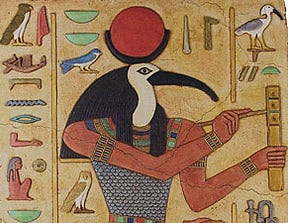
The Egyptian king believed that writing was a "recipe not for memory but for reminding," and the person relying on the written word would only give off the illusion of a person possessing actual knowledge.
-Felecia For The Win

Felecia is a software engineer by trade but a philosopher at heart who has amassed a following of over 500K on TikTok by talking about society. Felecia chats about social constructs, social experiments, social programming, and social psychology.